





Archives: DCC Success Stories
DCC Success Stories showcase achievements and outcomes from Digital Capability Center initiatives.
Vincent
Company Description – Founded in 2013, Vincent is a contemporary women’s clothing boutique in Ottawa known for its thoughtfully curated collections from leading Canadian and international designers, including Frank & Eileen, Rag & Bone, and AG Jeans. Through personalized styling, community events, and a welcoming boutique experience, Vincent has cultivated a loyal customer base by helping women discover timeless, high-quality fashion both in-store and online.
Project Description – As its online business continued to grow, Vincent recognized the need for a more scalable and integrated retail platform. Through the Retail Modernization Project Grant (RMPG), the boutique transitioned to Shopify to improve operational efficiency, gain better business analytics, and create a seamless shopping experience across its online store and physical boutique. The new system provides greater inventory visibility, streamlined workflows, and the digital capabilities needed to support future growth.
Project Impact – The modernization has already supported the creation of one new full-time position, attracted more than 60 new customers, and generated approximately $10,000 in incremental sales through improved automation, faster checkout, streamlined inventory management, and reduced administrative work. By unifying its retail operations, Vincent is better positioned to deliver the personalized service customers value while strengthening its competitiveness as an independent fashion retailer contributing to Ottawa’s vibrant retail and cultural community. “The Retail Modernization Project Grant gave us the confidence and support to make a significant investment in the future of our business. From the application process through to implementation, we felt fully supported every step of the way, making what could have been an overwhelming transition much more manageable. The funding helped us move to Shopify and adopt a modern retail system that has transformed both our operations and the customer experience. While there was a learning curve, the results have been well worth it. Today, our customers enjoy a seamless shopping experience whether they’re shopping in-store or online, our team has better inventory visibility, faster inventory counts, and access to meaningful analytics that guide our business decisions. Since completing the transition, our sales have increased by 13 per cent, we’ve improved operational efficiency, and we’ve created a new full-time position to support our continued growth.” – Amanda Papalia, Co-Owner

Orleans Community Pharmacy
Company Description – Orleans Community Pharmacy is an independent pharmacy that has served the community since 2022. With a team of four, the pharmacy serves approximately 1,100 patients each month and processes about 330 prescriptions per week. Its services include prescription dispensing, medication compounding, travel health consultations, vaccinations, and veterinary medications.
Project Description – As the pharmacy grew, several manual processes began limiting staff capacity. Employees spent significant time counting tablets, preparing liquid medications, managing inventory, and printing prescription labels. Manual inventory tracking was only about 70 per cent accurate and contributed to approximately $5,000 in annual medication waste. These processes also created delays and increased the risk of errors during busy periods.
Through the Retail Modernization Project Grant (RMPG), Orleans Community Pharmacy introduced four pieces of specialized equipment: an AccuCount automated tablet counter, FillMaster 4000 pharmaceutical-grade water system, Ohaus precision balance, and integrated Tigra label printers. Together, these technologies have streamlined dispensing and compounding while improving accuracy and consistency.
Project Impact – The new equipment has saved approximately 20 hours of staff time each month. Automated tablet counting eliminated 30–50 minutes of manual work each day and reduced dispensing errors by approximately 40–50 per cent. The FillMaster 4000 has made liquid medication preparation faster and more consistent, while the precision balance has reduced the need for manual preparation of stock solutions. Integrated label printers have also improved prescription processing speed and reduced unnecessary movement between work areas.
The time savings have allowed staff to focus more on patient care and expanded services, including travel health and veterinary medications. The pharmacy has achieved a 5–7 per cent increase in productivity, with potential to reach 10 per cent as workflows continue to improve, as well as 2–3 per cent in cost savings through reduced waste, supply costs, and labour inefficiencies.
Overall, the project has given Orleans Community Pharmacy the capacity to serve more patients efficiently, reduce errors and waste, and expand specialized services while creating a more streamlined experience for both staff and patients.

Hyde Park Care Pharmacy
Company Description – Hyde Park Care Pharmacy is a London-based community pharmacy providing prescription services, medication counselling, health education, chronic disease support, and treatment for minor ailments. As a front-line healthcare provider, the pharmacy relies on accurate and efficient prescription processing to deliver timely, patient-centred care.
Project Description – Prior to modernization, prescription data received by fax, email, or electronic image had to be manually entered into the pharmacy management system. Staff were required to transcribe patient information, medications, strengths, and directions, creating administrative bottlenecks during peak periods and increasing the risk of transcription errors. These manual processes also limited the time pharmacists and technicians could dedicate to patient-facing clinical services.
Through the Retail Modernization Project Grant (RMPG), Hyde Park Care Pharmacy implemented a PHIPA-compliant prescription automation system using optical character recognition (OCR) and robotic process automation (RPA) technology to extract prescription information and populate the pharmacy management system.
Project Impact – Since implementation, the system has reduced manual data entry, improved workflow efficiency, and strengthened prescription accuracy through standardized, rule-based data capture and pharmacist verification. This has allowed staff to redirect time previously spent on repetitive administrative work toward higher-value activities such as medication counselling, patient education, and medication reviews.
The reduced reliance on paper handling and manual transcription has also improved record accessibility and streamlined prescription processing, supporting safer and more timely patient care. As a result, Hyde Park Care Pharmacy is on track to achieve a 65 per cent increase in productivity, 15 per cent in cost savings, and approximately 1,410 labour hours saved annually.

MacKinnon Brothers Brewing Co.
Company Description – Located just 30 minutes west of Kingston in Bath, Ontario, MacKinnon Brothers Brewing Co. is a family-operated craft brewery founded in 2012 by eighth-generation farmers Ivan and Daniel MacKinnon. Built on more than 200 years of family farming heritage dating back to 1784, the brewery transforms hops, barley, and wheat grown on its farm into locally crafted beers that celebrate rural Ontario.
Housed in beautifully restored century-old barns, the destination also features an on-site retail store, taproom, restaurant, and expansive three-acre patio serving handmade pizza, beer tastings, and local hospitality. Consistently ranked among Bath’s top attractions, MacKinnon Brothers draws visitors from across the region while supporting agritourism, local agriculture, and the rural economy.
Project Description – As visitor numbers increased, the brewery’s aging point-of-sale (POS) system limited inventory visibility, sales analytics, and operational decision-making. During busy patio season, a single payment terminal created transaction bottlenecks and longer wait times, while unreliable rural internet connectivity occasionally disrupted card payments and day-to-day operations. Limited access to real-time sales and inventory data also made it more difficult to align brewing schedules, purchasing, and production planning.
Through the Retail Modernization Project Grant (RMPG), MacKinnon Brothers implemented an upgraded POS system, enhanced back-of-house analytics tools, and a dedicated mobile hotspot to maintain reliable operations during internet interruptions. The investment increased transaction capacity, improved inventory forecasting and sales reporting, and provided a more resilient digital foundation for both retail and hospitality operations.
Project Impact – The modernization has enhanced the customer experience by reducing wait times during peak tourism periods while giving the brewery the real-time insights needed to better manage inventory, production, and purchasing. By improving operational resilience in a rural setting, the project supports local employment, regional suppliers, and MacKinnon Brothers’ continued role as a premier agritourism destination and contributor to Eastern Ontario’s rural economy.

County Drugstore
Company Description – County Drugstore is a locally owned retail pharmacy serving Picton and the broader Prince Edward County community since 2013. Beyond prescription dispensing, the pharmacy provides vitamins, over-the-counter medications, and specialized clinical services, including 2SLGBTQ+ health support, opioid agonist therapy, and customized compliance packaging. Through equitable, stigma-free, and personalized care, County Drugstore plays an important role in improving healthcare accessibility for seniors, marginalized populations, and residents managing complex health needs.
Project Description – Prior to modernization, the pharmacy relied on outdated laser printers and paper-based processes that created operational bottlenecks, increased supply costs, and contributed to unnecessary paper and toner waste. Mechanical failures and manual document handling also diverted staff time away from direct patient care and clinical services.
Through the Retail Modernization Project Grant (RMPG), County Drugstore transitioned to a paperless digital workflow by implementing high-efficiency thermal prescription and receipt printers, along with a high-speed document scanner. The new system enables prescriptions and supporting documents to be digitized and attached directly to electronic patient files, improving record accuracy, reducing administrative workload, and strengthening dispensing safety.
Project Impact – The modernization has significantly improved operational efficiency by eliminating legacy equipment failures, reducing maintenance requirements, and streamlining daily workflows. The pharmacy has achieved a 77 per cent reduction in label costs, eliminated approximately $3,000 in annual printer maintenance expenses, and reclaimed 4–6 staff hours per week previously spent troubleshooting equipment issues. These efficiencies represent approximately 208–312 labour hours saved annually, allowing staff to redirect time toward patient care, compliance packaging, and expanded clinical services.
The transition to a digital-first workflow has also reduced environmental impact by minimizing paper consumption and toner waste while supporting Ontario’s sustainability goals. By improving operational capacity by an estimated 10–15 per cent, County Drugstore is projecting an annual revenue increase of over $21,000 through increased capacity for patient-focused care.
Overall, the project has strengthened County Drugstore’s role as a modern, community-focused healthcare provider, enabling the pharmacy team to spend less time managing outdated systems and more time delivering accessible, personalized care to the Prince Edward County community.

Elfatatry Fine Foods Inc.
Company Description – Located in Streetsville, Mississauga, Elfatatry Fine Foods Inc. specializes in authentic Egyptian street food, with a signature focus on handmade artisanal feteer, a traditional flaky layered pastry offered in both savoury and sweet varieties. The menu also features Mediterranean grilled meals, Egyptian comfort food, desserts, and specialty dishes that attract local residents, families, and visitors seeking an authentic cultural dining experience.
Project Description – As demand grew, the restaurant’s basic ordering system struggled to support its extensive, highly customizable menu. Staff spent significant time explaining menu options, entering customized orders, and managing peak-period lineups, creating bottlenecks at the front counter.
Through the Retail Modernization Project Grant (RMPG), Elfatatry implemented an integrated all-in-one point of sale system and a 43-inch self-ordering kiosk supplied by Zoom Software Solutions Inc. The new technology has transformed ordering from a largely staff-assisted process into a streamlined digital experience, allowing customers to browse the menu visually, customize orders independently, and submit them with greater accuracy.
Project Impact – he modernization has improved front-of-house efficiency by reducing order-entry bottlenecks, increasing transaction speed, and providing management with stronger visibility into sales trends and menu performance. Staff can now spend more time on hospitality, coordinating food preparation, and delivering a high-quality customer experience rather than manually processing orders.
The project has also made authentic Egyptian cuisine more accessible by helping customers confidently explore unfamiliar menu items, customize orders, and navigate the menu through an intuitive visual kiosk, while preserving staff assistance for those who need it. The enhanced ordering experience encourages repeat visits, introduces more customers to traditional Egyptian specialties, and reinforces Elfatatry’s role as a unique cultural dining destination in Streetsville. As a result of digital modernization, the business is on track to achieve a 20 per cent increase in productivity, a 12 per cent increase in cost savings, and approximately 32 labour hours saved per month.

Southbrook Golf Club
Company Description – Established in 1969, Southbrook Golf Club is a full-service golf destination in Binbrook, Ontario, offering an 18-hole golf course, restaurant, pro shop, and event facilities. With more than 30 employees, the club serves as a year-round recreational and hospitality hub for members, guests, and the surrounding community. Beyond golf, Southbrook plays an important role in bringing people together, hosting more than 100 tournaments annually, many of which support local charities, community organizations, and regional initiatives.
Project Description – To continue providing a reliable and welcoming experience for golfers, event guests, and restaurant patrons, Southbrook modernized its IT infrastructure after frequent server outages disrupted point-of-sale transactions and tee-time booking systems. These interruptions affected daily operations, created service delays, and required repeated vendor support to restore functionality.
Through the Retail Modernization Project Grant (RMPG), Southbrook installed a new server system to improve the reliability and performance of its core digital operations.
Project Impact – The upgraded infrastructure has reduced disruptions, supported smoother service delivery, and created a scalable foundation for future digital improvements such as loyalty programs, mobile integrations, and enhanced hospitality services.
By investing in reliable technology, Southbrook continues to strengthen its role as a community gathering place, supporting local employment, charitable initiatives, and accessible recreation experiences for residents and visitors throughout Binbrook and the surrounding region.

Sprucewood Shores Winery
Company Description – Established in 1988, Sprucewood Shores is a family-owned winery and tourism destination located on the shores of Lake Erie. As Canada’s only beachfront winery, it combines estate-grown wine production with on-site retail, hospitality experiences, wine club memberships, private events, and wholesale distribution to restaurants and LCBO locations across Ontario. Recognized as a destination for both local visitors and tourists, Sprucewood Shores plays an important role in supporting the province’s wine, hospitality, and tourism sectors.
As the business expanded, disconnected systems for point-of-sale, inventory, customer records, online sales, and event management created administrative inefficiencies and limited operational visibility. Manual data entry and fragmented workflows reduced staff productivity, complicated inventory management, and limited opportunities to deliver personalized customer service.
Project Description – Through the Retail Modernization Project Grant (RMPG), Sprucewood Shores implemented the Odoo retail management platform, supported by new tablets and barcode scanners. The new system centralizes POS, inventory, CRM, online sales, and event management, providing real-time inventory visibility, automated reporting, streamlined workflows, and stronger front- and back-of-house coordination.
Project Impact – The new platform has reduced manual administration, improved inventory accuracy, and strengthened data-driven decision-making. Staff now spend less time on routine administrative work and more time supporting customers, optimizing inventory, and enhancing the visitor experience. The modernization also enabled Sprucewood Shores to retain a key Retail Operations Coordinator position, allowing the role to focus on higher-value responsibilities such as customer service, inventory optimization, and business support.
By modernizing its digital infrastructure, Sprucewood Shores is on track to achieve a 30 per cent increase in productivity, approximately $25,000 in annual cost savings, and 1,000 labour hours saved annually, establishing a scalable foundation for continued growth across its retail, hospitality, and wholesale business.

Good Behaviour
Company Description – Founded in 2021 by Chef Michael Lam and Eric Chow, Good Behaviour is a Toronto-based small-batch custard ice cream and sandwich shop that has grown from a passion project into a beloved local brand. With three permanent locations and seasonal pop-ups across Ontario, the business is recognized for its inventive menu, premium ingredients, and strong community involvement through partnerships with local businesses, schools, hospitals, and charitable organizations.
Project Description – Through the Retail Modernization Project Grant (RMPG), Good Behaviour upgraded its Square POS systems, implemented a centralized delivery management platform, and introduced dedicated digital workstations to support operations. These improvements have increased transaction reliability, streamlined online order management, enhanced inventory and sales reporting, and created more consistent workflows across permanent locations and seasonal pop-ups.
The delivery management system has consolidated orders from multiple third-party platforms into a single interface, reducing manual coordination and improving the team’s ability to manage growing digital order volumes while maintaining service quality. The upgraded POS infrastructure has also improved service speed during peak periods and provided stronger visibility into sales trends and operational performance.
Project Impact – The project has strengthened internal operations by providing employees with reliable access to essential digital tools for scheduling, training, communications, and business management. This has improved digital accessibility, supported employee development, and reduced reliance on personal devices for business activities.
As a result, Good Behaviour has created two new jobs, retained two existing positions, and seen savings of approximately 20 labour hours per week across all locations with the implementation of the new delivery order aggregator/management software. Employees can now focus more on customer service, food preparation, and delivering the high-quality experience the brand is known for. By investing in scalable digital infrastructure, Good Behaviour has strengthened its ability to grow while contributing to Ontario’s independent hospitality sector.

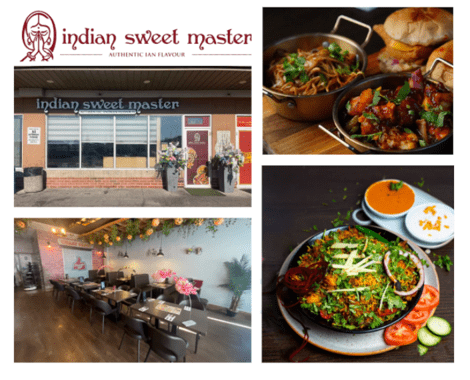
Indian Sweet Master
Company Description – For more than 15 years, Indian Sweet Master has been serving the Brampton community with authentic North and South Indian cuisine, traditional sweets, and street food through dine-in, takeout, and catering services. With over 40 full-time employees, the restaurant relies heavily on phone orders, particularly during peak meal periods, when high call volumes often made it difficult for staff to answer every customer inquiry, resulting in missed orders and service opportunities.
Project Description – Through the Retail Modernization Project Grant (RMPG), Indian Sweet Master implemented an AI-powered voice phone system that answers calls 24/7, assists customers with menu and business information, supports phone ordering, routes calls to staff when needed, and provides automated SMS confirmations. The solution reduces routine phone interruptions, allowing staff to spend more time serving customers in the restaurant while ensuring callers receive timely assistance, even during busy periods.
Project Impact – Early pilot results demonstrate strong customer engagement across order, menu, and general inquiries, with the system expected to reduce missed calls by more than 50 per cent, support an additional 2–10 orders per day, generate approximately $2,000–$5,000 in additional monthly revenue, and save 2–5 staff hours daily. By improving accessibility through multilingual customer service and capturing previously missed business opportunities, the project enhances the customer experience, strengthens operational efficiency, and supports the continued growth of one of Brampton’s long-standing local restaurants while helping retain its team of more than 40 employees.